
For Nolan Wells: Instant Film in Biloxi, Mississippi
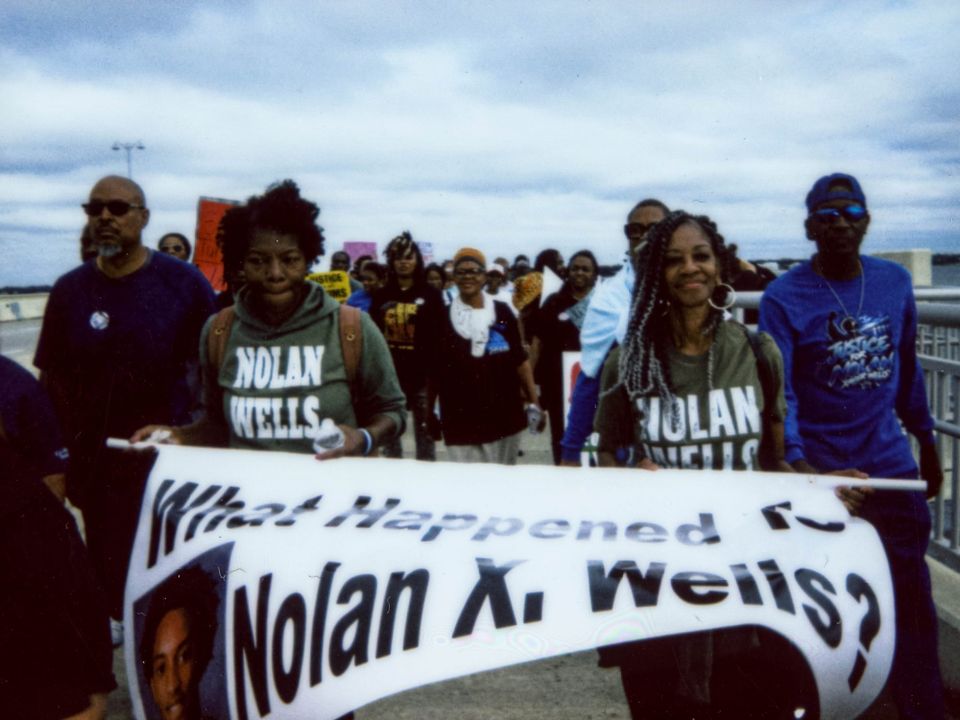
BILOXI, Miss. — I recently had the opportunity to join various community organizations in Mississippi to march in support of justice for Nolan Wells and Kohen Wiley. For context, Wells' body was found just across Biloxi Bay from where we were marching following a vacation he took with some "friends." The circumstances of his death have been shrouded in mystery and many Black Mississippians (and Black Americans at large) have come to the conclusion that Wells was lynched on this trip. I'll be honest in saying that I struggle to find any alternative answer to what happened to him. According to the people with whom I spoke at the rally, independent autopsies suggested that there may have been foul play in Wells' death. Despite this, no charges were filed and the case regarding Wells' death has been "closed" by the relevant authorities.
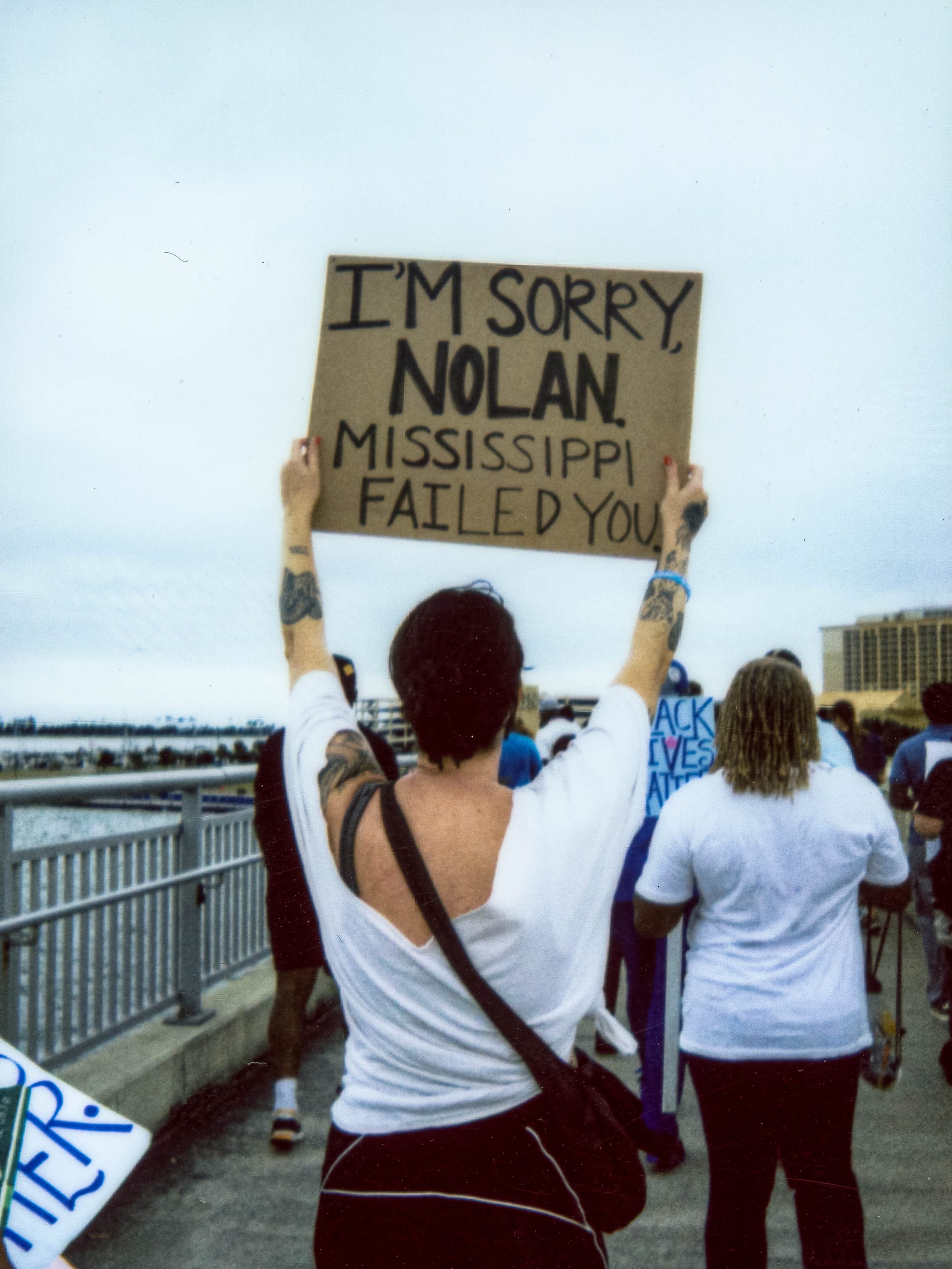
Also in Mississippi, Kohen Kartier Wiley was a 1-year-old boy who was murdered in Senatobia my police officer Hunter Foster based on the erroneous allegation that his mother had stolen a package of diapers from Walmart. Wiley's murder represents one of the most egregious examples of the blatant disregard and disrespect for Black life present in contemporary American society. And even despite the media coverage and mass protests, the office of Mississippi attorney general Lynn Fitch released a statement saying:
In this incident, the Attorney General’s Office found the use of force was justified.
"The use of force was justified," was all they had to say in response to the use of deadly force against a toddler all over diapers that— evidence later found— were not even stolen in the first place.
As may not be surprising— and as was thoroughly expressed at the march— people are tired and fed-up of the blatant disregard for the lives of Black people. I near-innumerable number of families affected by racist violence and police brutality spoke to how they and their loved ones were mistreated by police, prosecutors, and the entire system of criminal "justice."
Now, the question still remains of how a photographer-organizer from New Orleans ended up marching five miles in southern Mississippi with organizations that I had largely never heard of before. I attended the march with my comrades as members of the Freedom Road Socialist Organization (FRSO) in New Orleans. We were invited by an organizer the Gulf Coast Humanists whom we had met on a previous solidarity mission to Gulfport, Mississippi immediately following the murder of Kohen Wiley.
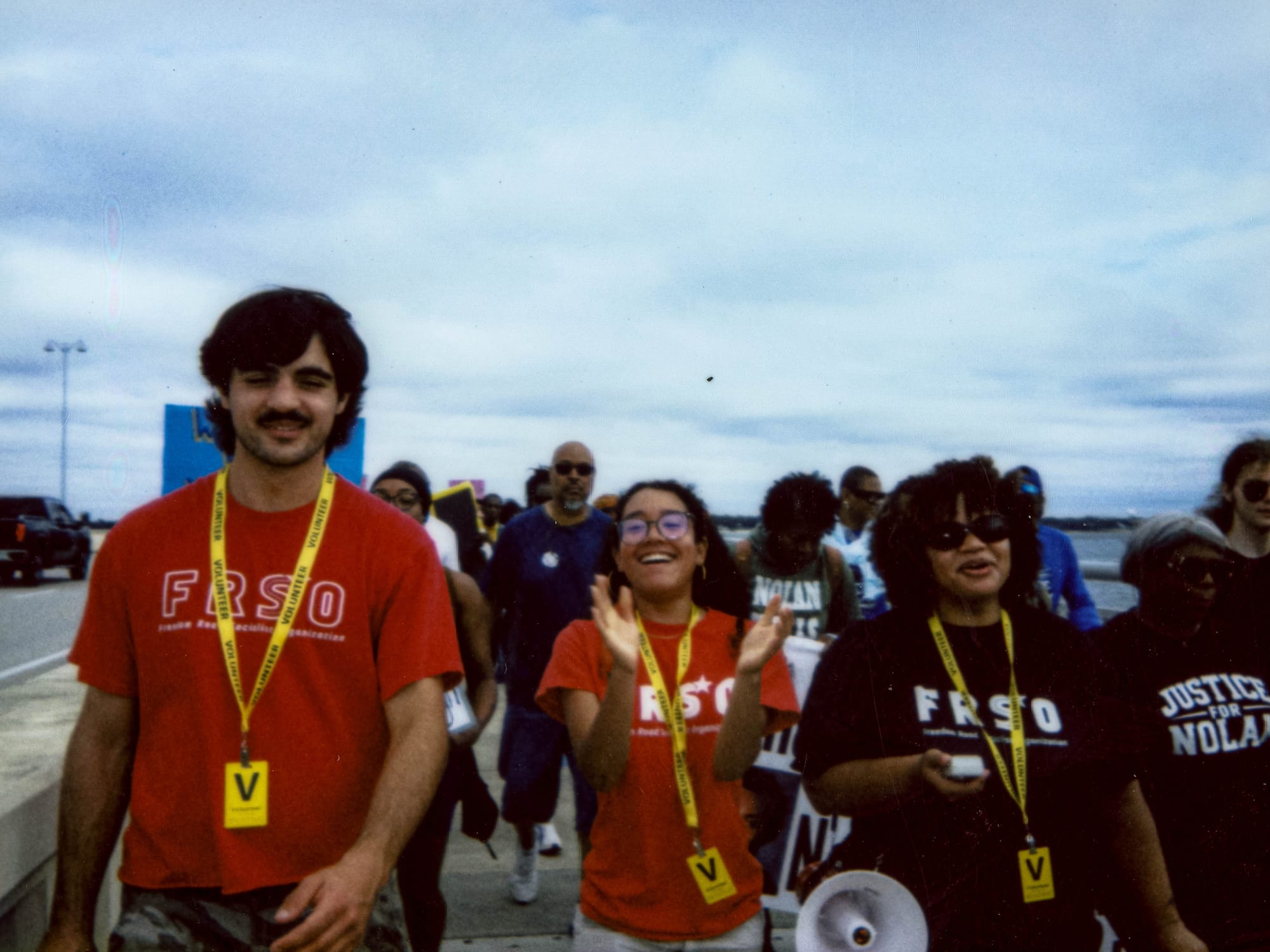
I'll be honest in saying that many larger protests (especially around police brutality) can have a very "fish out of water" character to them, and this action for Nolan Wells was no different. At the end of the day, I'm a semi-shy, nerdy, Communist kid from New Orleans who had travelled over 90 miles to march with people I had never met. But whenever I'm at a protest and I'm having that "fish out of water" feeling, there are usually two things that can get me out of that spiral and get me to work.
Firstly and foremost, I was not alone. Even beyond my comrades who are amazing in their own right, if this march was united by nothing else, it was united by a desire for just for lives cut short by racist violence. We all recognized that there was a colossal failure on the part of our society and the state to get justice for Nolan Wells and Kohen Wiley and we were prepared to make our voices heard.
Secondly, I had my cameras with me. I had my digital workhorse, the Nikon D850, and— for the first time ever at a protest— I had an instant film camera. For the time being (that is until my Lomography Lomo'instant Square Glass comes in), my main instant film camera is the Fujifilm Instax Mini 41, a fully-automatic, very basic point-and-shoot camera that uses the Fujifilm's Instax Mini format film. It joined my everyday carry earlier this week, and to take it to a protest was genuinely a dream come true. I've said before that there is something warmer and more concrete about instant film, and if that is at all true when shooting street photography, it is true to the 14th power when documenting a protest.
The grain, relatively low resolving power, low dynamic range, and general "feel" of instant film gives an archival/historical feeling to the images captured with it. And while this can certainly be a deficit (especially since it may seem less "contemporary" than a high-resolution digital image or even 35mm film), I find that it makes the photos almost timeless and communicates that we are on a long journey of struggle that certainly did not end in 1965, and will likely not end with us.
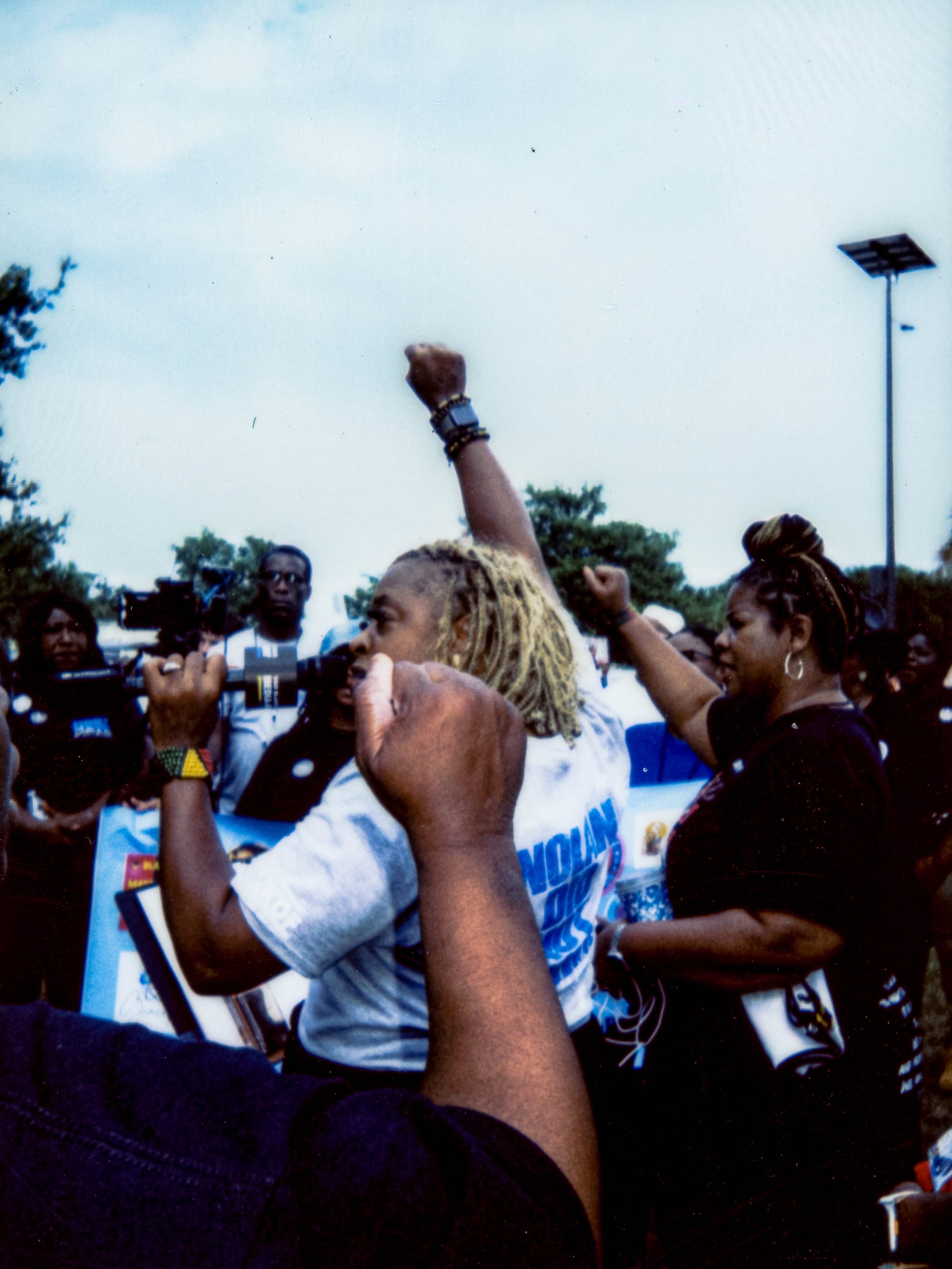
Overall, the action was a great success, and it was a great experience to see the great masses of the people showing up and showing out for each other and for the families victimized by racist violence and police brutality. The people are united, and it is true that over the long arc of history, they will never be defeated! Now without further ado, please enjoy the rest of the instant film photographs captured from this protest.
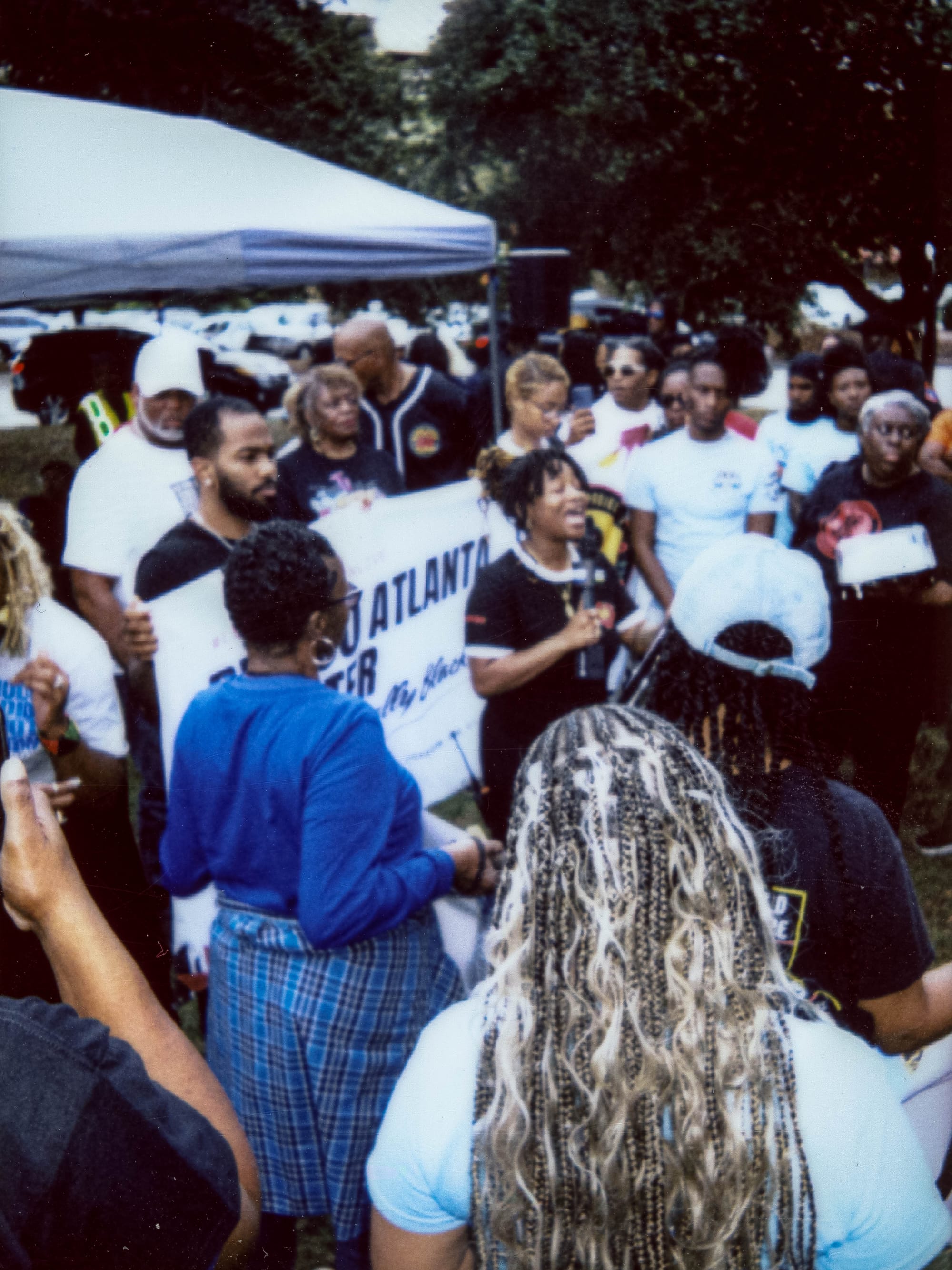
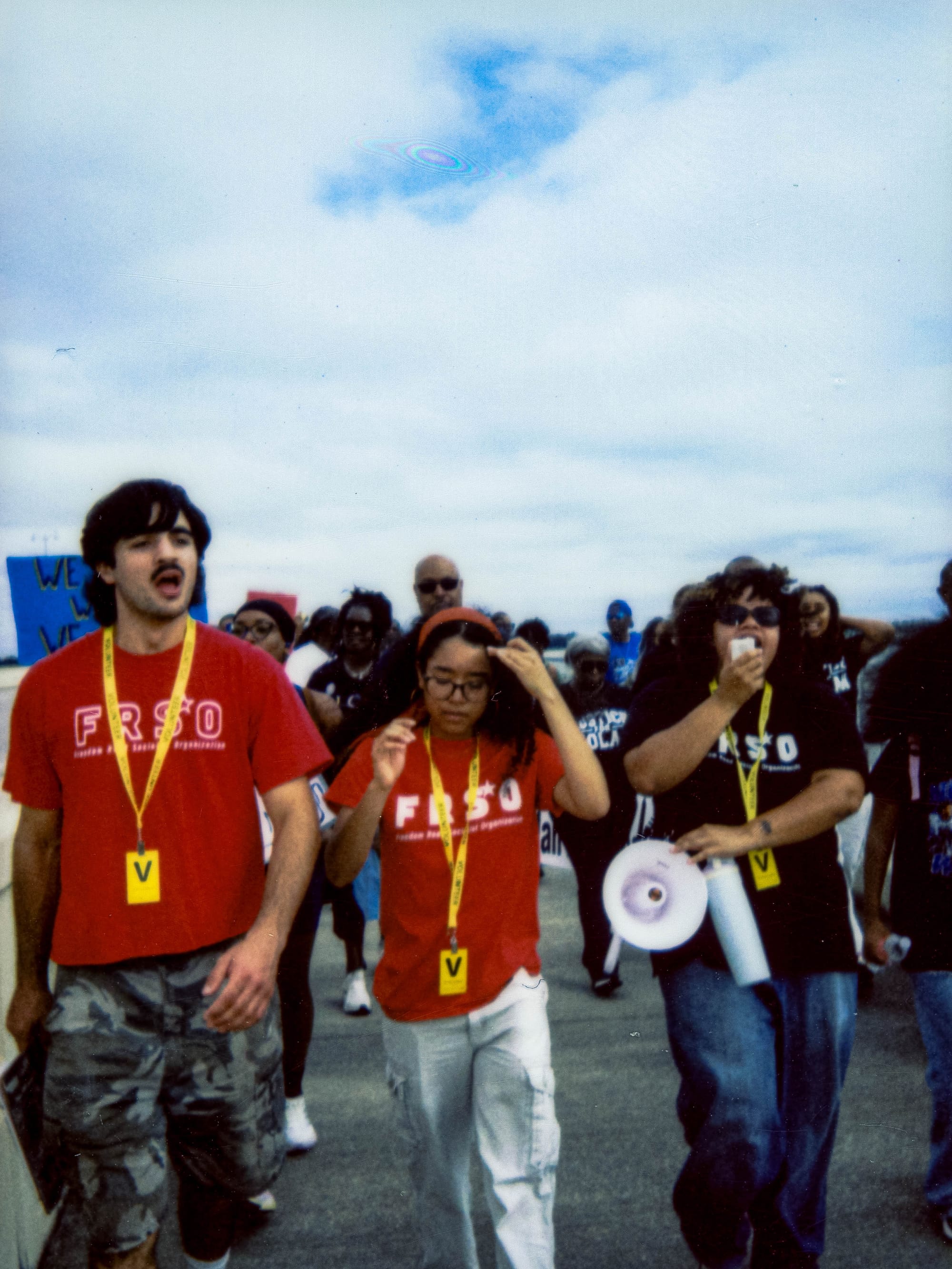
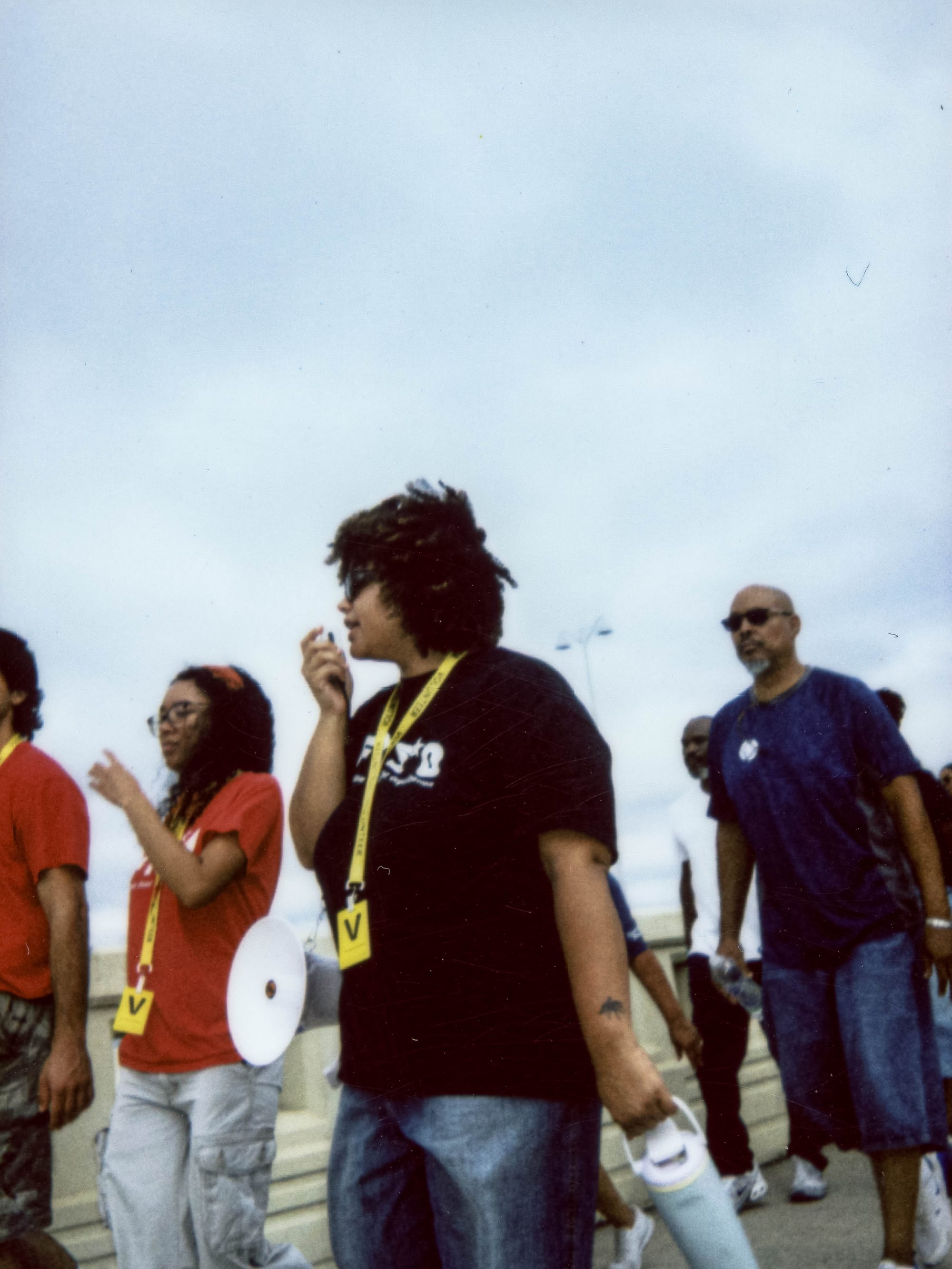
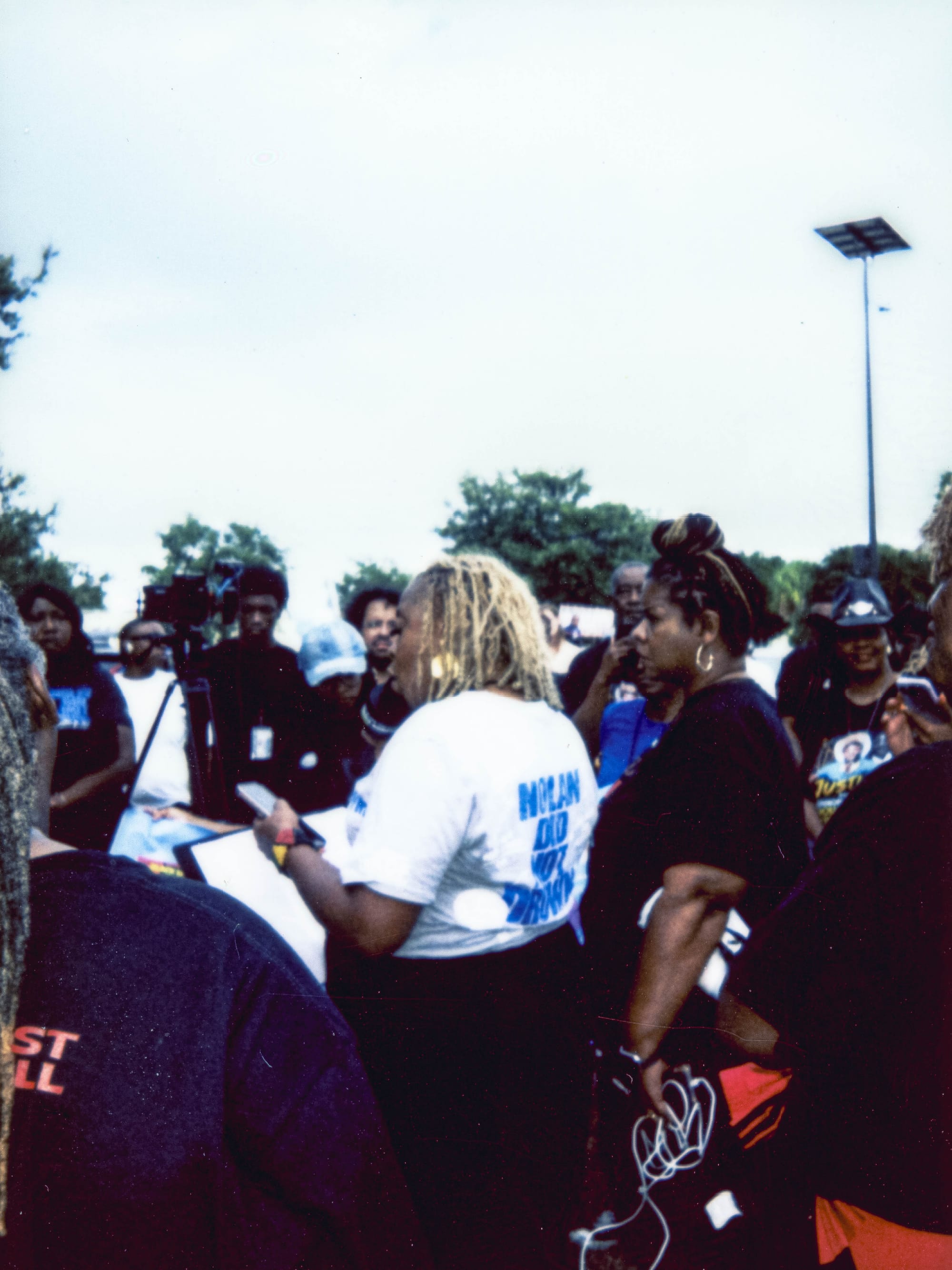
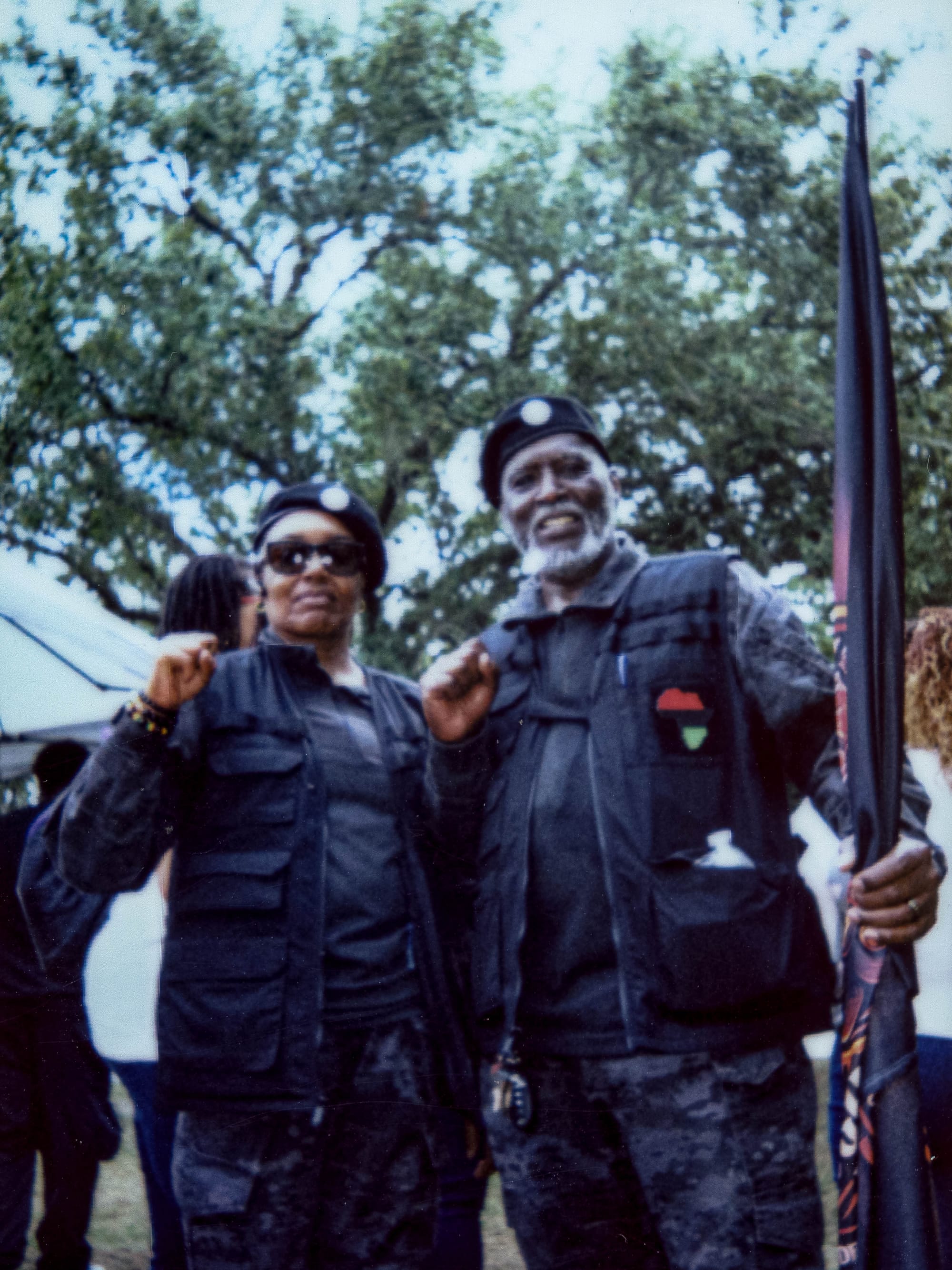
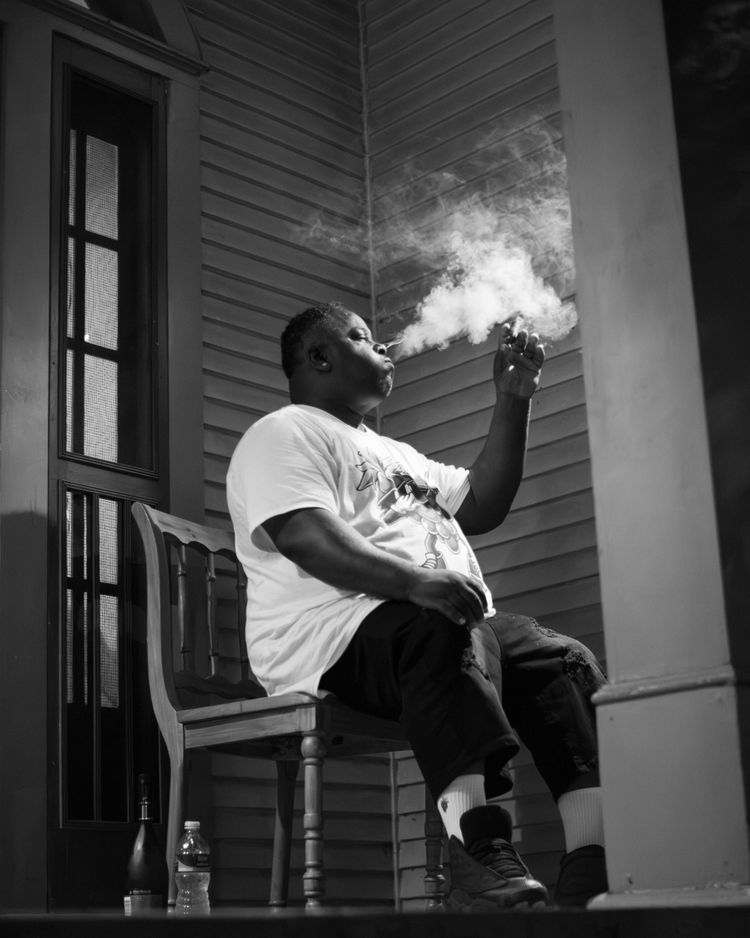
Other images captured at the Nolan Wells solidarity march in Biloxi, Miss. | Sunday, Nov. 1, 2026 | Shot by M. R. Framboise on Fujifilm Instax Mini 41
Member discussion